Tag Archives: temple

HOW DID GOD “DWELL” IN THE ARK AND IN THE TEMPLE?

Neither the ark of the covenant nor the temple of Solomon housed God in a literal, confining sense. God is both infinite and omnipresent. As the martyr Stephen declared. “The Most High doesn’t live in temples made by human hands” (Acts 7:48. Acts 17:24).

Continue reading HOW DID GOD “DWELL” IN THE ARK AND IN THE TEMPLE?
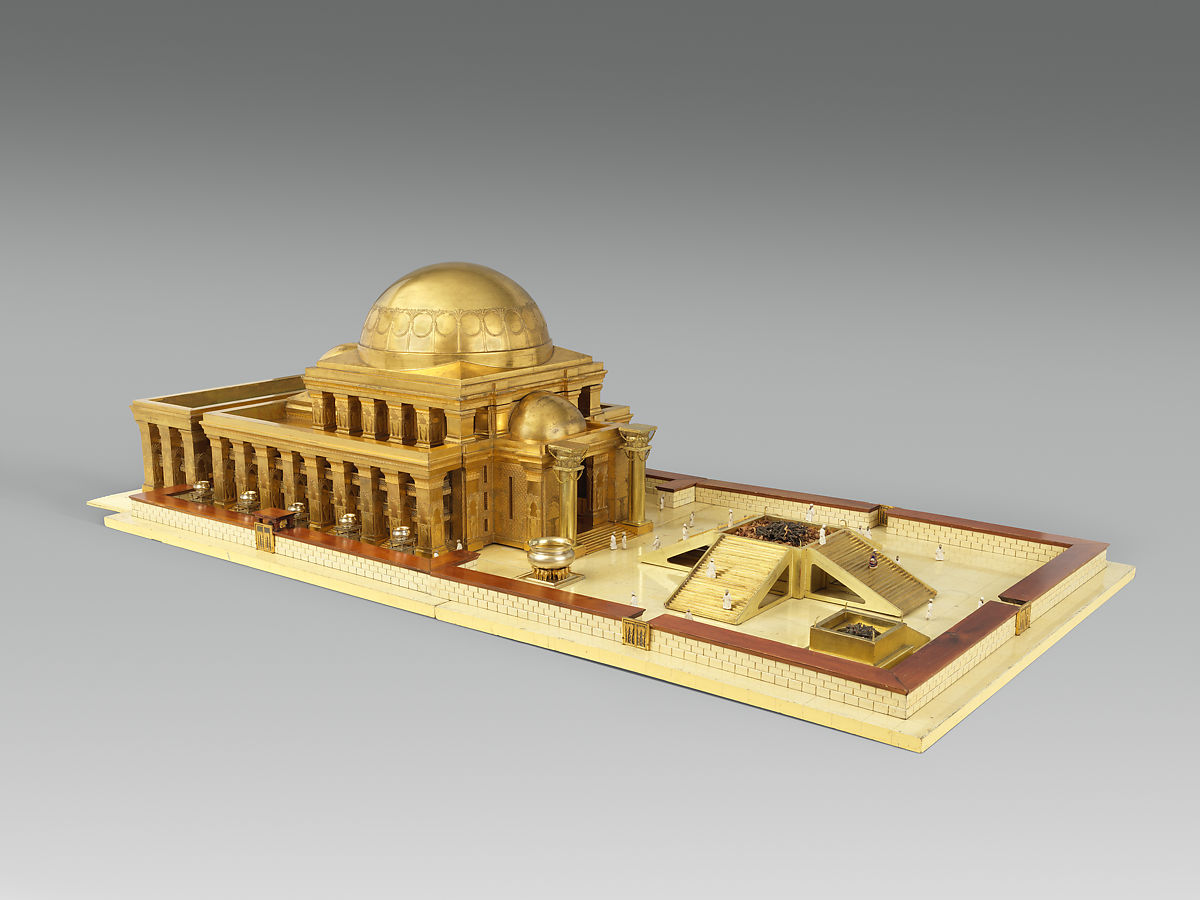
BIBLE CUSTOMS AND CURIOSITIES (LOOTING OF THE TEMPLE)

When the Babylonian army captured and plundered the city of Jerusalem, King Nebuchadnezzar seized the golden utensils, spices, jewels, and other valuable items that

Continue reading BIBLE CUSTOMS AND CURIOSITIES (LOOTING OF THE TEMPLE)

BIBLE CUSTOMS & CURIOSITIES (IDOLS IN THE TEMPLS)

In a vision the prophet Ezekiel saw the temple of the Jewish people in Jerusalem. He was shocked to see on its walls paintings or sculptures of unclean animals that God’s people were not supposed to eat (Leviticus 11:1-19).

Continue reading BIBLE CUSTOMS & CURIOSITIES (IDOLS IN THE TEMPLS)

BIBLE CUSTOMS & CURIOSITIES (GETTING AROUND THE LAW)

This charge by Jesus against the Pharisees is a perfect example of how they had replaced the original law with their own traditions (Matthew 22:15 and Mark 7:3).

Continue reading BIBLE CUSTOMS & CURIOSITIES (GETTING AROUND THE LAW)

DEFINITION OF THE DAY (OPHEL)

Place name meaning “swelling,” “fat,” “bulge,” or “mound,” It became the proper name of a portion of the hill on which the city of David was built (2 Chron 27:3). The Ophel was just south of Mount Moriah, on which the temple was constructed, joining the old city with the area of Solomon’s palace and temple. The hill has been inhabited since pre-Israelite times by peoples such as the Jebusites from whom David took the site.

Continue reading DEFINITION OF THE DAY (OPHEL)

THE TIME BETWEEN THE TESTAMENTS

Most of the writers of the NT grew up in the world of “second Temple Judaism,” the time between the temple’s reconstruction (516 B.C.) and its final destruction (A.D. 70). This period introduced changes into the political structure, culture, and religion of the OT world.

Continue reading THE TIME BETWEEN THE TESTAMENTS

DEFINITON OF THE DAY (PAGAN TEMPLES)

Temples built for polytheistic worship; many pagan temples predated Solomon’s temple and some had similar designs. The earliest excavated temples from the Chalcolithic Period (4600-3300 B.C.), such as those uncovered at Eln Gedi in 1961 and Eshtaol in 2013, illustrate the ubiquitous nature of pagan worship in Canaan prior to the arrival of Abram (Gen 12:5). The culticsite at Eshtaol contained a standing stone, 1.3 meters in height, smoothed on all sides and erected facing east. The standing stone could be used as a monument but often represented

Continue reading DEFINITON OF THE DAY (PAGAN TEMPLES)

SIGNS AND SYMBOLS OF THE BIBLE (XERXES THE GREAT “and Other Significant Rulers”)

The Bible is a historical book as well as a spiritual one. As such, it contains many important historical leaders and describes their impact on the nation of Israel. These people are not often used as symbols in the Bibles, but their influence on the history of God’s people carries symbolic importance because of the particular interactions they had. The Jews look back on these leaders as people who operated under the sovereign will of God either to help them as an instrument of mercy or to test and punish them as an executor of his just wrath.

Continue reading SIGNS AND SYMBOLS OF THE BIBLE (XERXES THE GREAT “and Other Significant Rulers”)

MEN OF THE BIBLE (JESUS: THE PERFECT EXAMPLE)

49758-Jesus-crucifixion-1200x627-thinkstock.1200w.tn

Jesus was fully God when he came to earth. He was also fully human. He can empathize with our weaknesses and our limitations.

By the same token, he is also acutely aware of our potential as humans because he maximized his. He knows not just who we are and what we’re like but also what we can become. Continue reading MEN OF THE BIBLE (JESUS: THE PERFECT EXAMPLE)

DEFINITION OF THE DAY (SILENCE)

silence

Absence of sound. The Bible uses silence in several ways: as reverence to God (Hab 2:20), as a symbol of death (Ps 94:17), as a symbol of Sheol (Ps 115:17), and as an expression of despair (Lam 2:10). It is a way to shut up the opposition (Matt 22:34). It is also used as a dramatic pause following the opening of the seventh seal in Rev 8:1. Continue reading DEFINITION OF THE DAY (SILENCE)