
Symbolic ceremonial act used to invoke a divine blessing or establish a connection for the purpose of sacrifice, ordination, or to impart spiritual gifts.
OLD TESTAMENT: A primary used of laying on of hands in the OT was sacrifices. In Lev 16 the Lord instructed Moses and Aaron concerning the Day of Atonement. At a particular point Aaron was told to place his hands upon a live goat and “confess over it all the wickedness and rebellion of the Israelites-all their sins-put them on the goat’s head” (Lev 16:21), transferring the sins of Israel to the goat.
Continue reading DEFINITION OF DAY (LAYING ON OF HANDS)

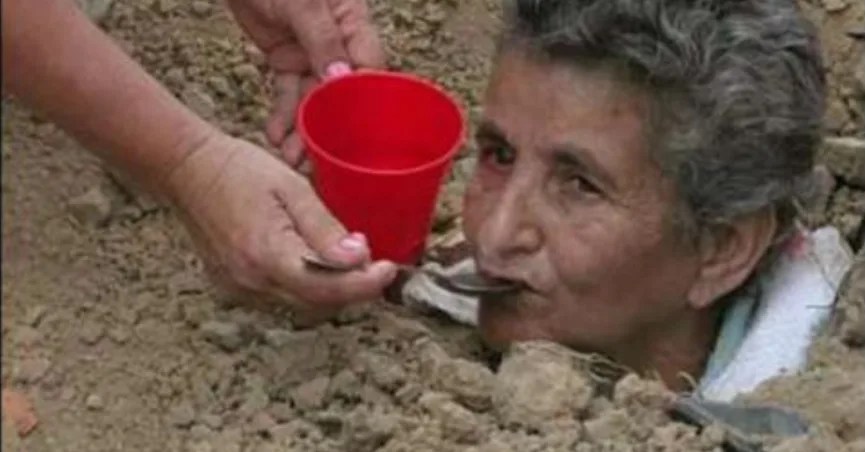


 Revenge as a common human feeling has a long history. Legal scholars, for example, believe that revenge is the basis for all jurisprudence. When Harry first stole a cow from Joe, Joe took two of Harry’s goats. Then Harry grabbed three of Joe’s turkeys. And Joe, seeing where this could lead, mustered the village elders. Thus the first court was born. We seem to have an intuitive sense of justice made right, especially wrongs done against us. Revenge is our impulse to fix injustice. In that sense, praying for revenge may be just another name for praying that God will hear our tort claims, judge wrongdoers for their unjust deeds, and levy a just sentence. Thus we will not need to seek revenge ourselves.
