Monthly Archives: February 2021

HOW DID NEHEMIAH PRACTICE PRAYER?

Nehemiah is an example of a person who lived by prayer. He responded to difficulty with prayer. He planned in prayer. He prayed before he spoke. When he evaluated his work, he did so in prayer. When others attacked, mocked, or threatened him. Nehemiah prayed.

Continue reading HOW DID NEHEMIAH PRACTICE PRAYER?

WHAT WAS GOD’S PLAN FOR PEOPLE WHO LIVED AND DIED BEFORE JESUS CAME?

God’s plan for people who lived before Jesus involved salvation by faith-just as it does for the people who follow Jesus today. Jesus’ atonement for sin on the cross applies backward in history as well as forward.

Continue reading WHAT WAS GOD’S PLAN FOR PEOPLE WHO LIVED AND DIED BEFORE JESUS CAME?

DEFINITON OF SLAVE/SERVANT (PART 2)

OLD TESTAMENT – Slavery laws appear in Exod 21:1-11; Lev 25:39-55; and Deut 15:12-18. Most of these concern humane treatment and manumission. A Hebrew sold to another Hebrew or a resident alien because of insolvency was to be released after six years of service and given provisions to start over. If he had come with a wife, she and any children were also released. If the master had given him a wife, she and the children were to remain. If, however, the slave wanted to stay with his wife and children rather than be free, he could enroll himself as a slave for life. A Hebrew who sold himself to another Hebrew or resident alien was to be released during the Jubilee Year. A slave could be redeemed at any time by a relative. A Hebrew girl sold by her father to another Hebrew to become his wife was to be released if that man or his son did not marry her.

Continue reading DEFINITON OF SLAVE/SERVANT (PART 2)

BIBLE CUSTOMS & CURIOSITIES (MARKS OF PERSECUTION)

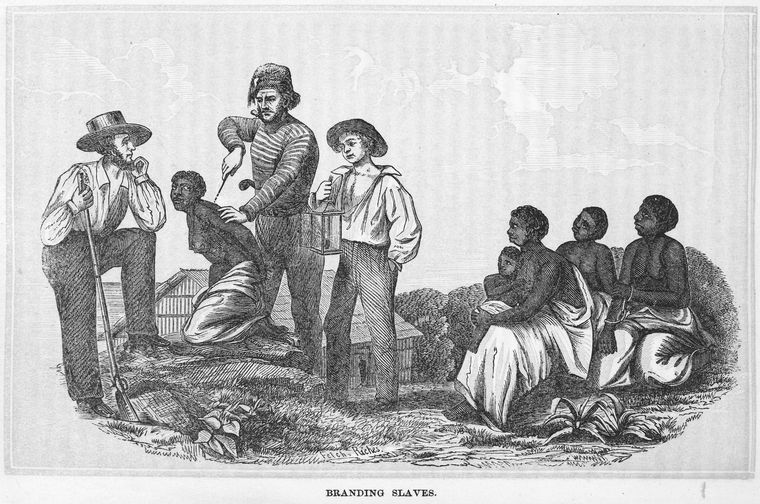
In Paul’s time, slaves were branded with distinctive marks to show that they belonged to their masters, much as cattle are branded in modern times (Psa 40:6). Paul declared that his body bore marks from the persecution he had endured in Christ’s service. These showed the he belonged to the Lord Jesus.

Continue reading BIBLE CUSTOMS & CURIOSITIES (MARKS OF PERSECUTION)

DEFINITION OF THE DAY (SLAVE/SERVENT)

Person totally responsible to and dependent on another person. Slavery was prevalent and widely accepted in the ancient world. The economy of Egypt, Greece, and Rome was based on slave labor, In the first Christians century, one out of three persons in Italy and one out of five elsewhere was a slave. Huge gangs toiled in the fields and mines and on building projects. Many were domestic and civil servants. Some were temple slaves and others were craftsmen. Some were forced to become gladiators. Some were highly intelligent and held responsible positions. Legally a slave had no rights; but, except for the labor gangs, most were treated humanely and were considered part of the family, and some were greatly loved by their masters.

Continue reading DEFINITION OF THE DAY (SLAVE/SERVENT)

SCRIPTURE OF THE DAY (JOHN 4:1)

1. When therefore the Lord knew how the Pharisees had heard that Jesus made and baptized more disciples than John,

BIBLE CUSTOMS AND CURIOSITIES (THE NUMBER SEVEN)

The Jewish people thought of seven as a sacred number. It is used often in the Bible to show fullness, completion, and perfection (Gen 2:2-3; Dan 9:25).

Continue reading BIBLE CUSTOMS AND CURIOSITIES (THE NUMBER SEVEN)

SCRIPTURE OF THE DAY (MATTHEW 23:1-11 “A WARNING AGAINST HYPOCRISY”)

1.Then spake Jesus to the multitude, and to his disciples,

Saying The scribes and the Pharisees sit in Moses’ seat:

All therefore whatsoever they bid you observe, that observe and do; but do not ye after their works: for they say, and do not.

For they bind heavy burdens and grievous to be borne, and lay them on men’s shoulders; but they themselves will not move them with one of their fingers.

Continue reading SCRIPTURE OF THE DAY (MATTHEW 23:1-11 “A WARNING AGAINST HYPOCRISY”)

EVERYDAY LIFE IN BIBLE TIMES (PLUNDER)

From an early age we are taught to respect the belongings of others even if our size and strength make it possible to take them by force. In order to understand the actions of the people of the ancient Near East, we need to make a major adjustment in this thinking. Within the cultural construct of this world, the expectation was that those who were victorious in battle had the right to seize the personal property of those defeated and even enslave the owners of that property. This practice of plundering is mentioned repeatedly in the literature of the ancient world peatedly in the literature of the ancient world and illustrated in the art of the empires that rose to power during the Old Testament era.

Continue reading EVERYDAY LIFE IN BIBLE TIMES (PLUNDER)

SCRIPTURE OF THE DAY (JOHN 14:1-4 “I AM THE WAY, THE TRUTH, AND THE LIFE”)

1. Let not your heart be troubled: ye believe in God, believe also in me.

In my Father’s house are many mansions: if it were not so, I would have told you. I go to prepare a place for you.

Continue reading SCRIPTURE OF THE DAY (JOHN 14:1-4 “I AM THE WAY, THE TRUTH, AND THE LIFE”)