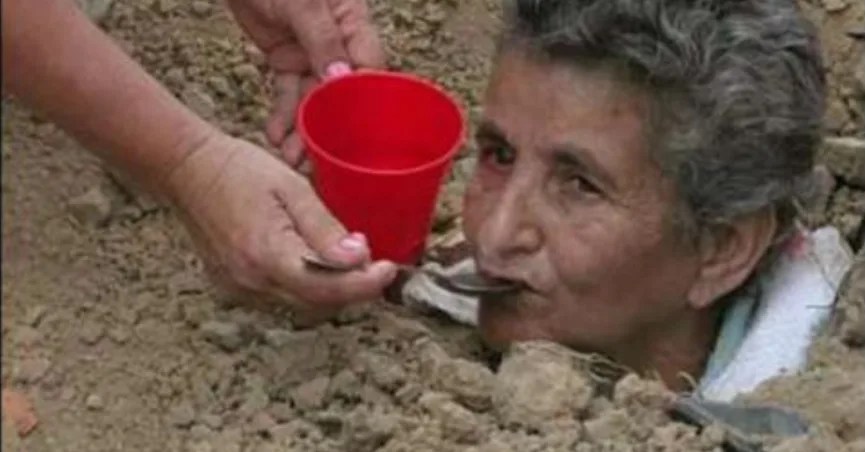
These laws sound rigid and austere in their proclamations, and we cannot say for sure how often this particular punishment was employed. What we can say for sure is that exceptions were allowed, as illustrated by Jesus. He did not demand that the woman caught in adultery be executed but instead disarmed her executioners and urged her to leave her lift of sin (John 8:3-11).
Continue reading EVERYDAY LIFE IN BIBLE TIMES (STONING “AS A FORM OF EXECUTION” PT2)Tag Archives: John
WHAT IS BELIEF?
Faith refers to (1) the exercise of our capacity to trust someone or something, as, for example, a rock climber has faith in his or her rope; (2) a set of beliefs, such as “Catholic faith”; (3) a deeper, very personal movement of the heart toward God that includes the first two meanings, yet moves beyond them into personal fellowship with God.
Continue reading WHAT IS BELIEF?JESUS AND THE NAMES OF GOD
The New Testament alludes to Jesus’ divine nature by comparing Jesus to several names and attributes used for God. Here are a few examples of Jesus being compared to God.
JESUS IS GOD: “In the beginning was the Word, and the Word was with God, and the Word was God.” (John 1:1).
JESUS IS ONE WITH GOD: Jesus said, “I and the Father are one.” (John 10:30).
Continue reading JESUS AND THE NAMES OF GODWHERE IS THE ARK TODAY?
Today the ark is not necessary because God’s presence travels with each and every believer. Before going away, Jesus promised that he would be with his church forever, and he also promised to send the Holy Spirit. The Holy Spirit is God’s presence in our midst.
Continue reading WHERE IS THE ARK TODAY?WHO ARE THE TWELVE DISCIPLES?
THEIR BACKGROUNDS
- They were twelve Jewish men whom Jesus called to follow him during his three-year ministry on earth
- The twelve disciples were from the Galilee region in the north except for Judas Iscariot, who was from Judea in the south.
- Their occupations ranged from fisherman to tax collectors and revolutionaries.
- Some were married (Mark 1:29-31; 1 Cor 9:3-6).
- Some were well-versed in Scripture (John 1:46).
THE BEATITUDES
WHAT DO THE BEATITIUDDES MEAN?
Jesus surprised his disciples by telling them what kind of people would be blessed by God. His list of traits are called the Beatitudes, meaning “to bless” or “to make happy.”
Continue reading THE BEATITUDESDEFINITION OF THE DAY (MONEY CHANGERS)
Persons whose profession was to sell or exchange Roman or other moneys for Jewish money acceptable in the temple worship. In NT times regions and cities issued their own money. This caused Jews of the Dispersion, those who lived outside of Judea, to bring many kinds of money to Jerusalem. To help visitors change money into that acceptable in Jerusalem, money changers set up tables in the temple court of the Gentiles. Syrian silver coins were the money of Jerusalem then, and worshipers used them to pay their temple tax of a half shekel and to buy sacrifices for the altar.
Continue reading DEFINITION OF THE DAY (MONEY CHANGERS)THE ALTAR OF INCENSE
Any priest could offer incense accompanied by some of the grain offering on the altar of incense. It is possible that priests offered incense by itself, although there are no clear indications for this practice (Leviticus 10:1-3; Numbers 16:16-18; Deuteronomy 33:10; 1 Samuel 2:28; Ezekiel 8:10-11).
Continue reading THE ALTAR OF INCENSEJESUS AND SACRIFICES
JESUS’ CLEANSING OF THE TEMPLE
After this short visit to Capernaum, Jesus apparently traveled to Jerusalem to observe the Passover festival. Here He found the outer courts of the temple cluttered with merchants who were selling sacrificial animals to pilgrims who had come to the Holy City for the annual Jewish holiday. Other agents were busy exchanging foreign currency for the Jewish coins needed to pay the annual temple tax (John 2:13-25).
Continue reading JESUS’ CLEANSING OF THE TEMPLE


