Monthly Archives: September 2021

EVERYDAY LIFE IN BIBLE TIMES (STONING “AS A FORM OF EXECUTION” PT2)

These laws sound rigid and austere in their proclamations, and we cannot say for sure how often this particular punishment was employed. What we can say for sure is that exceptions were allowed, as illustrated by Jesus. He did not demand that the woman caught in adultery be executed but instead disarmed her executioners and urged her to leave her lift of sin (John 8:3-11).

Continue reading EVERYDAY LIFE IN BIBLE TIMES (STONING “AS A FORM OF EXECUTION” PT2)

DEFINITION OF THE DAY (FLESH AND SPIRIT)

Terms noticeably used in tandem in the NT to contrast diametrically opposed lifestyle. The term “flesh” is often ascribed the connotation of an ungodly lifestyle of selfishness and sensual self-gratification. The term “spirit” signifies the opposite characteristics. One who walks by the Spirit lives with a conspicuous God consciousness that directs his or her dispositions, attitudes, and actions.

Continue reading DEFINITION OF THE DAY (FLESH AND SPIRIT)

WHAT IS BELIEF?

Faith refers to (1) the exercise of our capacity to trust someone or something, as, for example, a rock climber has faith in his or her rope; (2) a set of beliefs, such as “Catholic faith”; (3) a deeper, very personal movement of the heart toward God that includes the first two meanings, yet moves beyond them into personal fellowship with God.

Continue reading WHAT IS BELIEF?

WHAT IS GRACE?

We hear the word a lot around Christian circles, sometimes referring to a prayer before a meal, sometimes to a great big idea associated with the gospel, sometimes as a girl’s name. Paul’s used the term throughout his letters to speak of God’s special favor to every person, the underserved benefit we have of God’s mercy in sending Jesus to die for our sins.

Continue reading WHAT IS GRACE?

EVERYDAY LIFE IN BIBLE TIMES (SLAVE “AS A FORM OF EXECUTION” PT1)

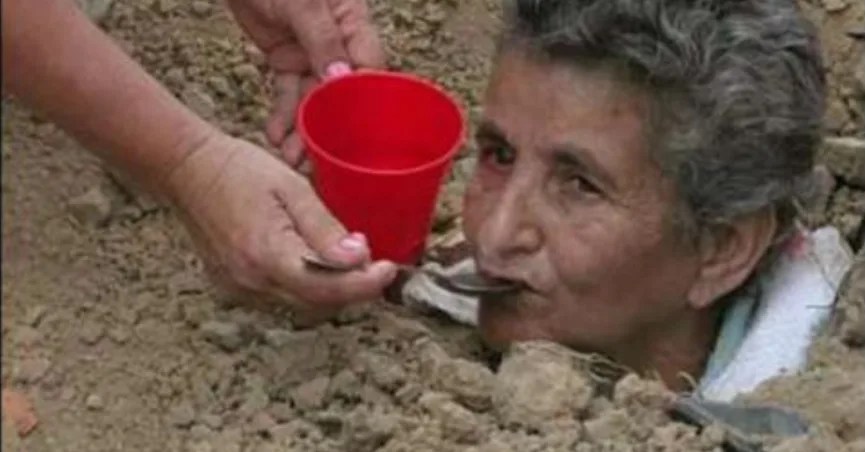
Though stoning is virtually unmentioned in other ancient Near Eastern literature, it is the method of execution mentioned most often in the Bible and the primary form of state execution mentioned in Old Testament law. The Bible spares us the glory details of the stoning event, but the traditional writings of early Judaism help us understand a bit more of what was involved. Those who witnessed the infraction were directly involved in delivering the penalty for it (Lev 24:14). According to the Jewish traditional writings, the condemned person was taken to the execution site, which was to be an elevation at least twice the person’s height. The first witness then pushed the individual face-first off this elevation that could be either the edge of sharply rising terrain (Luke 4:29) or the edge of a cistern that had been dug into the ground (Lam 3:53).

Continue reading EVERYDAY LIFE IN BIBLE TIMES (SLAVE “AS A FORM OF EXECUTION” PT1)

SCRIPTURES OF THE DAY (HEBREWS 1:1-10)

God, who at sundry times and in divers manners spake in time past unto the fathers by the prophets,

Hath in these last days spoken unto us by his Son, whom he hath appointed heir of all things, by whom also he made the worlds;

Who being the brightness of his glory, and the express image of his person, and upholding all things by the word of his power, when he had by himself purged our sins, sat down on the right hand of the Majesty on high:

Continue reading SCRIPTURES OF THE DAY (HEBREWS 1:1-10)

WHY DID 70,000 PEOPLE DIE FOR A SIN DAVID COMMITTED?

Our society, which glorifies individual autonomy and responsibility, recoils at the thought of innocent people being punished for wrongs committed by another. In ancient times, leaders of families, tribes, or nations served as representatives of their people. Both success and failure belonged to all. It is entirely possible that David had consulted his advisers beforehand and they had agreed to his plan, making the census a corporate decision.

Continue reading WHY DID 70,000 PEOPLE DIE FOR A SIN DAVID COMMITTED?